


Integrating Reclaimed Wood Beams into Modern Architecture
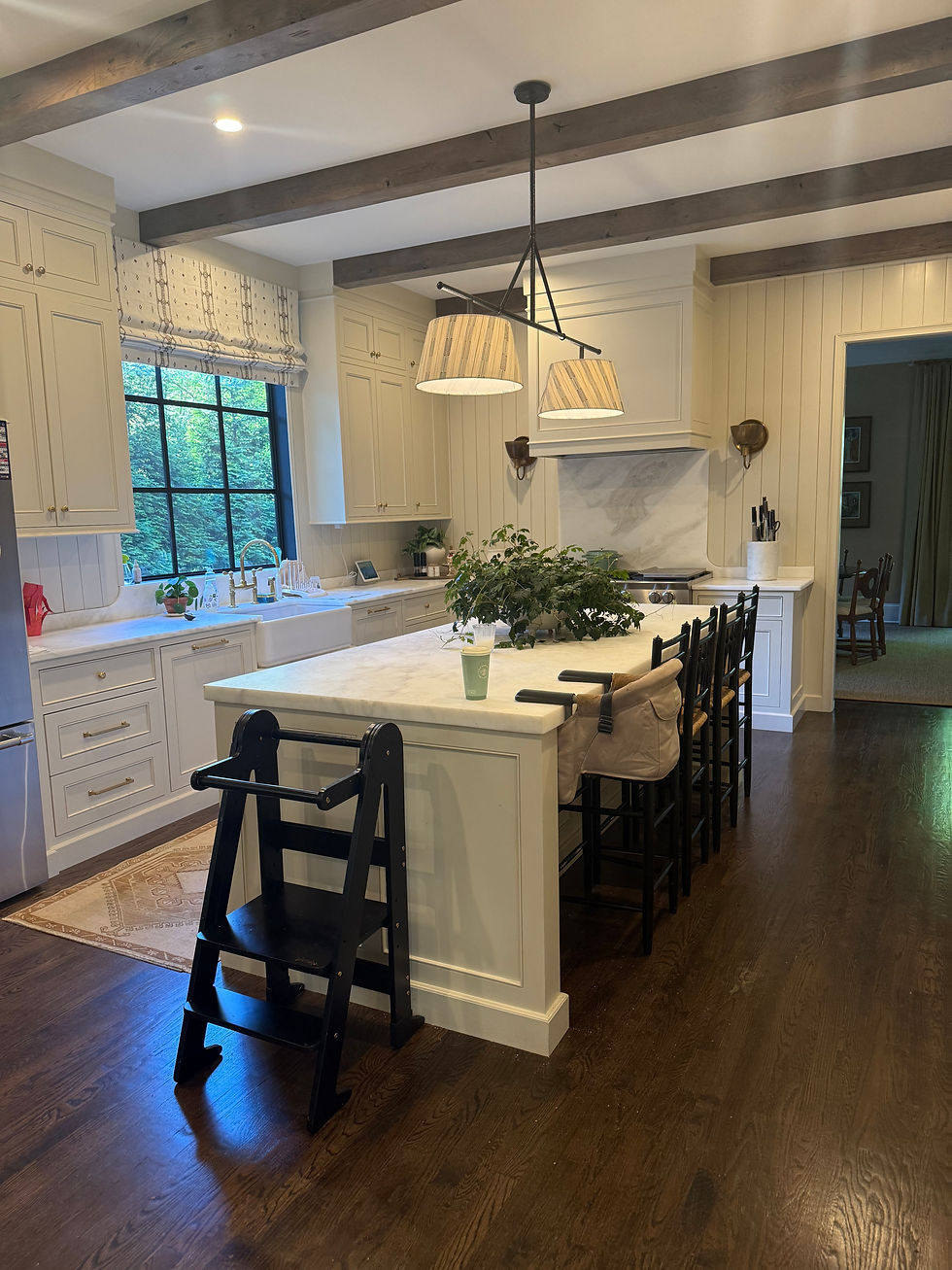
The Timeless Appeal of Reclaimed Wood in Modern Design
In contemporary architecture, the challenge often lies in preventing minimalist spaces from feeling cold or sterile. At Atlanta Woods, we have observed a significant shift toward blending high-end modern materials with the raw, textured aesthetic of history. Reclaimed wood beams provide the perfect solution, acting as a bridge between the precision of modern construction and the organic beauty of nature. By utilizing reclaimed timber, you are not just choosing a design aesthetic; you are incorporating a story into your structural framework.
Defining Your Style: From Industrial to Neutral
Integrating reclaimed wood requires a nuanced approach based on your overarching design language. Whether your project is a commercial office space or a high-end residential build, the placement and finishing of these beams play a critical role.
Industrial Aesthetics: In spaces with exposed ductwork and polished concrete floors, reclaimed wood beams provide an essential thermal and visual counterpoint. Place them in a grid pattern to define distinct zones within an open-floor-plan office.
Neutral Minimalism: To prevent a neutral palette from appearing flat, use reclaimed beams as a ceiling feature. The weathered texture adds depth without cluttering the space, allowing the natural grain of the wood to serve as the room's primary focal point.
Modern Farmhouse: If your project leans toward the modern farmhouse style, oversized structural beams can anchor a vaulted ceiling. At Atlanta Woods, we often recommend pairing light-colored plaster walls with darker, seasoned oak beams for maximum contrast.
Strategic Installation and Design Tips
When incorporating reclaimed wood, it is essential to consider the scale of the architecture. A small room with oversized beams can feel claustrophobic, while a sprawling commercial lobby may require substantial hand-hewn timbers to make an impact. Consider these professional tips:
Lighting Integration: Use the natural void of reclaimed beams to house LED strip lighting. This creates a soft, ambient glow that highlights the unique imperfections of the wood, such as nail holes, insect tracks, and saw marks.
Consistency of Species: Work with experts like the team at Atlanta Woods to source consistent wood species throughout your project. Mixing textures is encouraged, but maintaining a color harmony ensures the space feels intentional rather than haphazard.
Structural vs. Decorative: Understand that not all beams need to carry a load. If your budget or local building codes restrict structural timber, high-quality reclaimed wood veneers or hollow box beams are an excellent alternative that provides the same visual impact with lower architectural requirements.
Sustainability as a Value-Add
For modern businesses, sustainability is no longer optional—it is a core business value. Utilizing reclaimed wood demonstrates a commitment to environmentally conscious practices. By repurposing lumber from historic barns and factories, you are reducing the demand for virgin timber and preventing high-quality materials from entering landfills. Integrating these elements into your architecture communicates a brand identity that values longevity and craftsmanship, a sentiment that resonates deeply with modern stakeholders and clients.
Partnering with Expertise
Successfully executing a design that incorporates reclaimed wood requires a deep understanding of wood stabilization, grading, and structural requirements. Atlanta Woods specializes in the sourcing and preparation of reclaimed materials, ensuring that every beam is ready for installation in your specific project environment. As design trends evolve toward more tactile and authentic spaces, reclaimed wood beams will remain a gold standard for adding warmth and character to the modern built environment.


